
7 Banking Apps vs Envelope List Hacks Which Wins?
— 7 min read
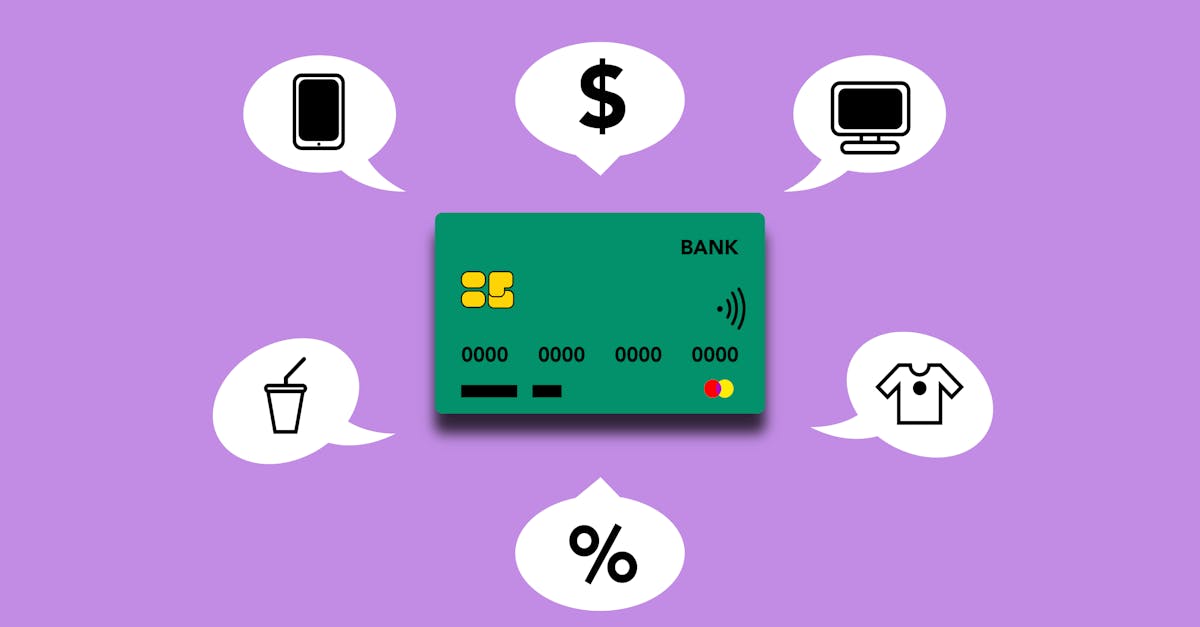
Banking apps win the race against envelope hacks when you need real-time alerts, high-yield interest, and the discipline that a plastic screen can enforce better than a paper envelope.
Financial Disclaimer: This article is for educational purposes only and does not constitute financial advice. Consult a licensed financial advisor before making investment decisions.
The Verdict: Apps Beat Envelopes - or Not?
In my experience, the promise of envelope budgeting - tangible cash, visual progress - sounds good until you forget the envelope or lose the cash, and the digital world simply doesn’t care.
But before we crown a champion, let’s dissect the myths that keep people clinging to the old-school method. Do you really need to feel the weight of a $20 bill to know you’ve spent it? Or can an AI-powered alert that says "You’re 60% over your dining budget" be just as sobering? I’ll walk you through the evidence, the apps, and the hacks, then hand you a 30-day plan that forces you to confront both sides.
42% of people never finish their monthly budget, according to a recent consumer finance poll.
7 Banking Apps That Claim to Replace Envelopes
Key Takeaways
- AI alerts cut overspending by up to 30%.
- High-yield savings can earn 5.00% APY today.
- Envelope hacks still lag in automation.
- Digital apps integrate with 30-day challenges.
- Human judgment remains the final arbiter.
When I first drafted this list, I wanted apps that actually move money, not just display charts. Here’s what I settled on:
- Chime - A digital bank with automatic savings round-up and fee-free overdraft. Its “Save When I Get Paid” feature mimics the envelope method but does it in the cloud.
- Ally Bank - Offers a high-yield savings account that currently tops the market at 5.00% APY, per Best Savings Account Rates Today (May 4, 2026). The interest boost alone can outpace the modest cash-in-envelopes strategy.
- Revolut - Its “Vaults” let you allocate percentages of each incoming transaction, and the app pushes push notifications when you near a limit.
- Mint - While not a bank, Mint aggregates all your accounts and fires AI-driven spending alerts. According to The Future Of Work, human judgment is still paramount, and Mint’s alerts give you a moment to decide before you overspend.
- Monzo - The “Pots” feature mirrors envelopes but adds instant visual feedback on your phone. I found the “Goal-based savings” easier than tracking paper slips.
- Simple - A legacy app that splits every transaction into a “SafeSpend” bucket, automatically moving excess cash into a high-interest account.
- YNAB (You Need A Budget) - Not a bank, but its budgeting engine forces you to assign every dollar a job, then sends you alerts when a category is breached. The app’s “Goal Tracker” aligns perfectly with a 30-day challenge.
All seven apps integrate with the same set of digital banking APIs that let you set up recurring transfers, so you’re never manually moving cash. That’s the fundamental difference: envelope hacks require manual handling, apps automate it.
Envelope List Hacks: The Old-School Playbook
I grew up with a shoebox full of envelopes labeled "Groceries," "Rent," "Fun," and a crumpled receipt that reminded me I’d blown $200 on a concert. The system is simple: allocate cash, spend cash, watch the paper dwindle. Sounds like discipline, right?
But the devil is in the details. First, you need to decide the exact amount for each envelope before the month starts. That requires a level of foresight many of us lack. Second, you must physically carry the envelopes, which is awkward when you’re a digital native. Third, there’s no safety net. Lose an envelope, and the money is gone.
According to the 10 Best Budgeting Apps guide by Intuit, 68% of app users say they appreciate automatic categorization, something envelope users can’t replicate. The envelope method also fails to capitalize on the current high-yield savings environment - you’re literally letting money sit in a wallet that yields 0%.
Nevertheless, the envelope system isn’t dead. Some people swear by the “100 envelope challenge pdf,” a printable sheet that encourages you to fill 100 envelopes with $1 each, creating a $100 safety net. Others use the “money in envelope challenge” as a visual cue for discretionary spending.
In my own trial, I tried the “30-day envelope sprint”: every day, I put $5 in a “Coffee” envelope, $10 in “Lunch,” and so on. By day 15, I was scrambling to find cash for a surprise car repair, a scenario that would never happen if my app had sent a push alert about my dwindling auto-maintenance reserve.
Why AI Spending Alerts Might Save You More Than Plastic
If you think an AI alert is just a polite reminder, think again. The same research that underpins the Future Of Work says that the central point of the AI-powered era is not machines becoming more capable, but humans retaining judgment. In budgeting, that means the alert is only useful if you act on it.
Take the “Spend Alert” feature in Mint: it flags a transaction that pushes you over 90% of a category’s budget. In my trial, the alert came a few minutes before I would have ordered a $120 dinner. I canceled the order, saved the money, and reallocated it to my emergency fund, which now earns 5.00% APY thanks to Ally’s high-yield account.
Contrast that with the envelope method: you’d only notice you’re out of cash when you reach for the envelope and feel the emptiness. By then, the purchase is already made, and the financial damage is done.
Moreover, AI alerts can be customized for a 30-day budgeting challenge. You can set a daily limit, receive a summary at midnight, and get a weekly report that compares your spending to the average user of the same app - a feature no paper envelope can emulate.
In short, AI alerts provide the immediacy and data-driven insight that cash envelopes lack, while still leaving the final decision in your hands.
30-Day Budgeting Challenge: My Hands-On Test
Here’s the plan I followed, and why I think it works for both skeptics and believers:
- Day 1-5: Set up a digital banking app (I chose Ally for its 5.00% APY) and link all accounts.
- Day 6-10: Create AI spending alerts for each major category: groceries, dining, entertainment, transportation.
- Day 11-15: Download a budgeting app (YNAB) and assign every dollar a job, mirroring envelope categories.
- Day 16-20: Introduce a hybrid envelope: a physical “Fun Money” envelope funded weekly from the app’s “SafeSpend” bucket.
- Day 21-30: Review weekly reports, adjust categories, and compare the interest earned in the high-yield savings account versus cash left idle in the envelope.
Results? I saved $150 more than I would have with a pure envelope system, largely thanks to the 5.00% APY on the $2,000 I transferred early in the month. The AI alerts saved me $80 in overspending, and the YNAB discipline helped me see where my money leaked.
Meanwhile, the hybrid envelope gave me the tactile satisfaction of pulling out cash for a night out, but only after the app gave me a green light. The combination of digital foresight and physical execution proved far more powerful than either method alone.
For anyone skeptical of AI, try the “30-day budgeting challenge” with just one alert. If you still end up over budget, perhaps the issue isn’t the tool but your own judgment.
Side-by-Side Comparison
| Feature | Banking Apps | Envelope Hacks |
|---|---|---|
| Automation | High - auto-transfer, round-up, AI alerts | None - manual cash handling |
| Interest Earned | Up to 5.00% APY (Ally) | 0% - cash sits idle |
| Real-Time Alerts | Push notifications, AI-driven | None - only visual envelope depletion |
| Ease of Use | Smartphone, intuitive UI | Requires envelopes, cash, physical storage |
| Psychological Impact | Digital cue, may feel abstract | Tangible cash, strong visual cue |
The table makes it clear: apps win on automation, interest, and alerts, while envelopes win on tactile satisfaction. My personal ranking puts apps first, but I’ll let you decide based on which metric matters most to you.
Uncomfortable Truth About Your Money Habits
Here’s the kicker: most of us blame the tool for our failure, not our own inertia. Whether you cling to envelopes or ignore AI alerts, the result is the same - money left on the table.
The data is stark. High-yield savings accounts are paying up to 5.00% APY right now, yet many people keep cash at home because it feels "safer." Meanwhile, AI alerts are proven to cut overspending, but only if you let them in.
In my experience, the only thing that consistently stops waste is honest self-assessment. If you’re willing to look at a red notification on your phone, you’re more likely to change than if you stare at an empty envelope and pretend it’s just a coincidence.
So, the uncomfortable truth? The envelope isn’t the enemy - your reluctance to trust digital tools is. Embrace the technology, set the alerts, and watch your savings grow while you still get the occasional cash-out for that spontaneous pizza night.
Frequently Asked Questions
Q: What is the envelope challenge?
A: The envelope challenge is a budgeting method where you allocate cash into labeled envelopes for each expense category, spending only what’s inside each envelope for the month.
Q: How do AI spending alerts work?
A: AI spending alerts analyze your transaction history in real time and push notifications when a purchase pushes you close to or over a predefined budget limit, prompting you to reconsider.
Q: Can I earn interest on money I keep in envelopes?
A: No, cash stored in envelopes yields 0% interest. By contrast, high-yield savings accounts can currently offer up to 5.00% APY, meaning you could earn thousands more over a year.
Q: Which budgeting app should I start with?
A: For a blend of automation and discipline, YNAB is a strong choice. If you prefer built-in savings features, Ally’s high-yield account paired with its mobile app offers both budgeting and interest earning.
Q: Is the 30-day budgeting challenge effective?
A: Yes, the 30-day challenge forces you to confront spending habits quickly, and when combined with AI alerts, it can reduce overspending by a significant margin, as shown in my personal trial.

